
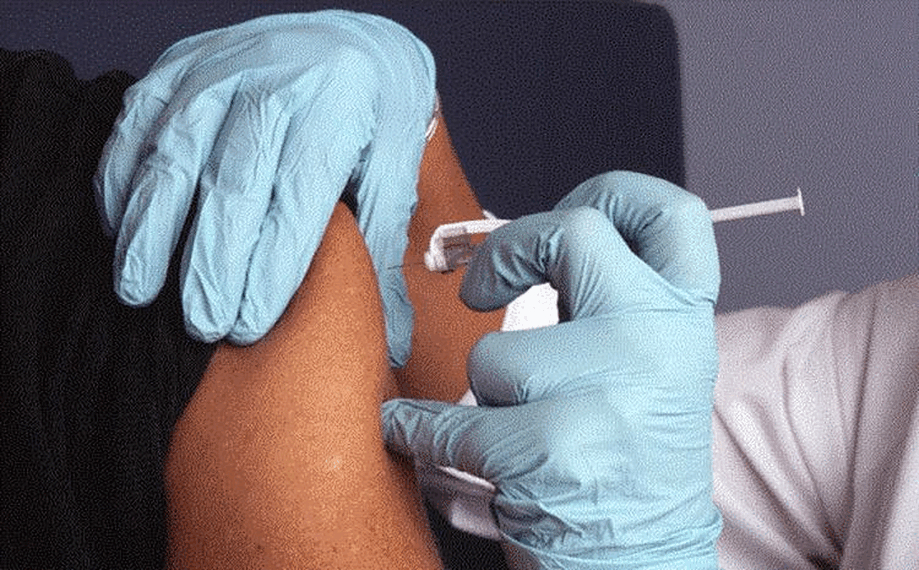
HARRISBURG, PA — In the wake of Pennsylvania's first measles fatalities in 35 years, state and local health departments are mobilizing to raise awareness and urge residents to check their immunization records. The deaths of two unvaccinated individuals, announced on Tuesday, August 25, have served as a stark reminder of the virus's lethal potential.
The fatalities are not only a grim milestone for the Commonwealth but represent the first measles-related deaths in the United States this year. Public health experts are warning that the highly contagious nature of the virus poses a significant threat to communities with pockets of low vaccination rates.
The Danger of Waning Immunity
For decades, the measles, mumps, and rubella (MMR) vaccine has been highly effective at keeping the virus at bay. However, because the disease has been so rare, complacency can easily set in.
Pennsylvania Secretary of Health Dr. Debra Bogen noted that generations of Americans have never seen a severe case of measles, leading to a dangerous underestimation of the disease.
“Because measles was largely eliminated in the Commonwealth for more than three decades, people are not familiar with this disease and don’t fully understand the potential severity of the illness,” Dr. Bogen stated.
When vaccination rates in a community drop below the threshold required for "herd immunity" (typically around 95% for measles), the virus can rapidly exploit the gap, spreading swiftly among the unvaccinated, infants who are too young to be immunized, and immunocompromised individuals.
What Residents Should Do Now
Health officials are urging all Pennsylvanians to take immediate, proactive steps to protect themselves and their communities:
- Check Vaccination Records: Adults and parents should review their medical records or contact their primary care providers to ensure they and their children have received the recommended two doses of the MMR vaccine.
- Consult a Physician: Individuals who are unsure of their vaccination status or who were born before 1957 (who are generally presumed to have natural immunity) should consult with a healthcare professional. Blood tests can determine if an individual has immunity.
- Watch for Symptoms: Residents should be vigilant for the early signs of measles, which include a high fever, cough, runny nose, and red, watery eyes, followed days later by a distinctive flat, red rash.
- Call Ahead: If you suspect you or a family member has measles, do not go directly to a waiting room. Call your doctor or urgent care clinic first so they can take precautions to prevent the virus from spreading to other patients through the air.
“As a physician, I want to make sure that people understand that the MMR vaccine is safe and provides the best protection we have against measles,” Dr. Bogen reiterated.
With the school year approaching and communities gathering indoors for the fall, closing the vaccination gap is the state's top priority to prevent further tragedies.
Would you like me to find information on where local residents can currently access free or low-cost MMR vaccines in Pennsylvania?