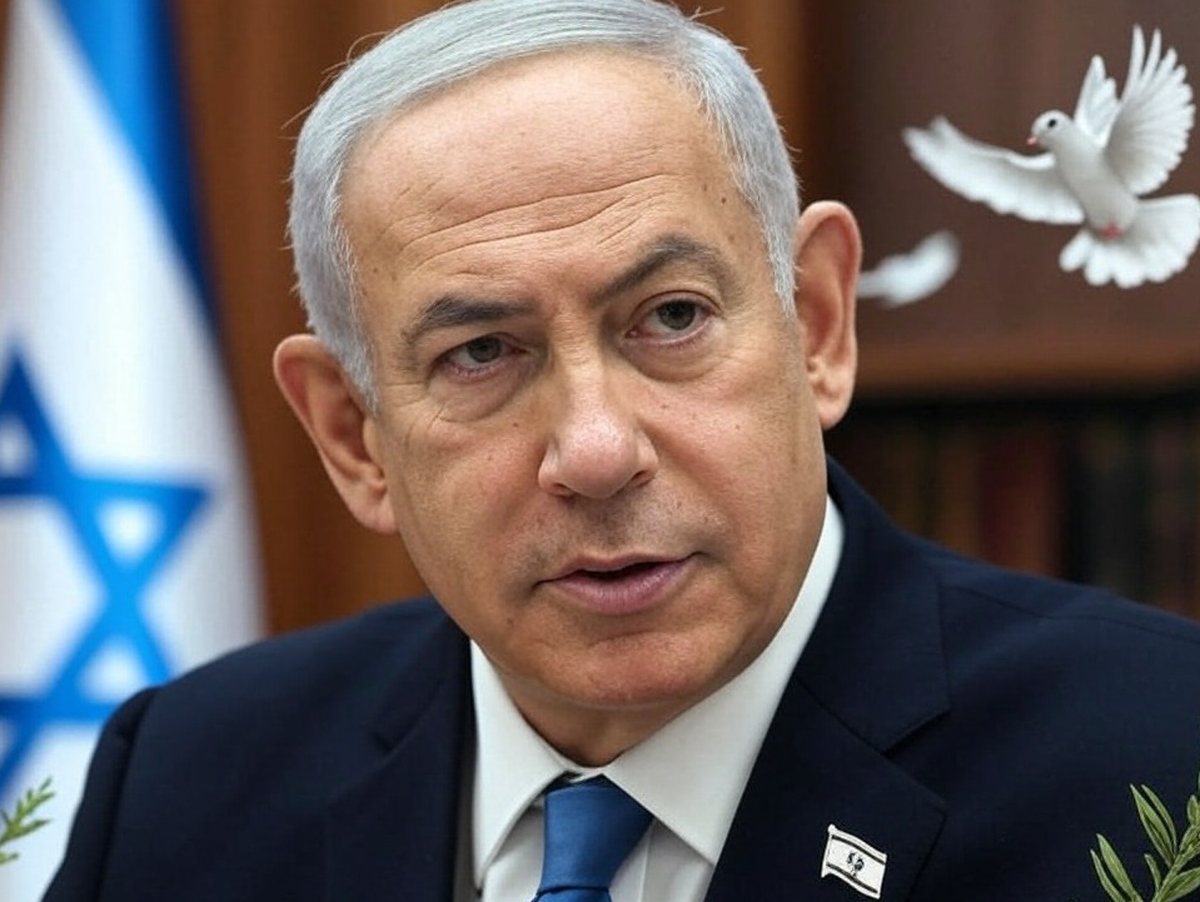
Prime Minister Benjamin Netanyahu and rival political leaders are all claiming forms of victory following Israel's 2026 legislative elections, even as official tallies show neither political bloc has secured a clear parliamentary majority The Jerusalem Post.
According to preliminary data from the Central Elections Committee with nearly 87% of the vote counted, Netanyahu's Likud party is leading all individual factions with approximately 20.6% of the vote, putting it on track for 26 seats. Combined with his traditional right-wing and religious allies—including Shas (7 seats), United Torah Judaism (7 seats), Otzma Yehudit (7 seats), and the Religious Zionist Party (6 seats)—the pro-Netanyahu bloc currently holds 53 seats. This leaves the coalition eight seats short of the 61 required to form a governing majority in the 120-seat Knesset.
Despite the lack of a decisive mandate, party leaders across the political spectrum have framed the unresolved outcome as a win by pointing to different segments of the electorate. Netanyahu has declared victory by emphasizing his bloc's strong performance among voters prioritizing Israel's status as a Jewish state The Jerusalem Post.
Meanwhile, opposition figures have offered their own competing narratives. Naftali Bennett and Gadi Eisenkot, whose centrist Yashar! party is currently pulling 21 seats, have highlighted their electoral strength among voters who serve in the military and support conscription The Jerusalem Post. On the left, Yair Golan of The Democrats has pointed to the combined strength of the Jewish opposition and Arab-led parties—such as The Joint List (12 seats) and Ra'am (7 seats)—as evidence that a democratic majority prevailed The Jerusalem Post.
With final votes still being tallied and neither bloc commanding a clear path to a 61-seat majority, the competing declarations of victory set the stage for complex and potentially protracted coalition negotiations in the days ahead.