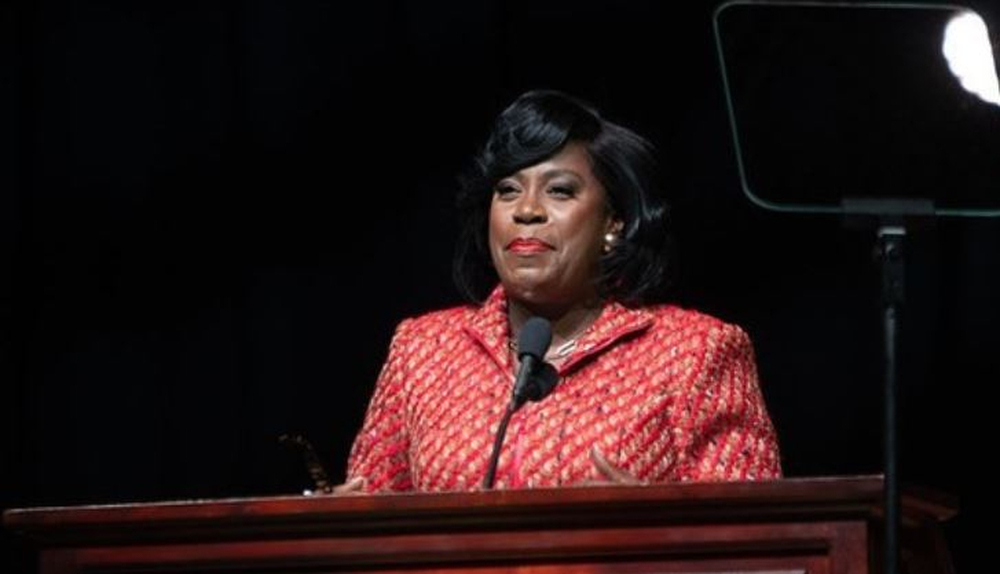
Philadelphia's Democratic Mayor Cherelle Parker is pushing forward with a bold new plan to increase affordable homeownership in the city. On the surface, the goal is commendable. But under the hood of the city's new taxpayer-backed mortgage program is an engine fueled by staggering financial risk—and everyday taxpayers could be left paying for the crash.
Through this initiative, the city is opening the door for individuals with credit scores as low as 620 to buy homes with as little as 3% down. If that weren't generous enough, these loans will feature reduced interest rates and entirely waive the requirement for private mortgage insurance (PMI).
To fund this, Philadelphia has earmarked $25 million. But the most alarming detail isn't the initial price tag; it's the mechanism the city is using to convince lenders to participate.
To get banks on board with these less-than-stellar lending profiles, the city is establishing a "loan-loss reserve" using public funds. Let that sink in. The banks issue the mortgages, the borrowers enjoy wildly favorable terms despite rocky credit histories, and if those borrowers default when times get tough? Taxpayers step in to absorb the losses and protect the banks.
Sound familiar?
It is as if city officials have entirely memory-holed the devastating 2008 housing crisis. Have we learned absolutely nothing from the subprime mortgage meltdown?
Now, a 620 credit score doesn't automatically mean an individual can't pay a mortgage. Life happens—medical bills, emergency expenses, or a temporary job loss can ding a credit report. But lenders evaluate credit history, income, debt, and financial risk for a very real, mathematical reason before handing someone hundreds of thousands of dollars. Lower credit scores and razor-thin 3% down payments historically correlate with significantly higher rates of default. Private mortgage insurance exists for exactly this reason. Stripping away that safeguard and replacing it with a taxpayer-funded safety net is municipal financial malpractice.
Making homeownership more accessible and affordable is a worthy endeavor, but using public money to artificially erase lending risk is a dangerous game. It encourages banks to issue loans they otherwise wouldn't touch, because the city's reserve fund securely pads the downside.
What happens if property values decline? What happens if an economic downturn spikes unemployment and these vulnerable homeowners begin falling behind on payments? Who ultimately pays when defaults roll in? The answer, as always, is the Philadelphia taxpayer.
Making mortgages easier to obtain does not magically make those mortgages easier to repay. Before city officials start taking victory laps and celebrating this program, taxpayers deserve a transparent accounting of exactly how much financial liability they are being forced to carry.
Helping families achieve the American Dream should not require setting taxpayers up to foot the bill for a localized housing nightmare.