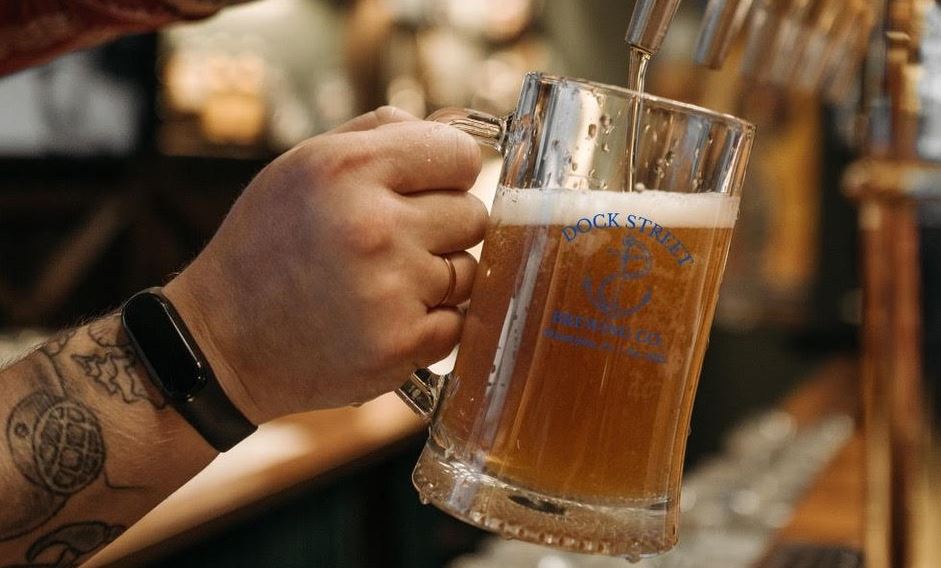
PHILADELPHIA - While many view Oktoberfest simply as a festive reason to drink lager from glass steins, the celebration is rooted in historical customs dating back over 200 years. Today, Philadelphia ranks among the most authentic American hosts for the tradition, blending Old World Bavarian requirements with vibrant street-festival culture. For dates, locations, and event lineups, consult our feature on Oktoberfest 2026 in Philadelphia: where to celebrate, eat, and drink this fall.
The Bavarian Royal Wedding to Philly's Streets: Facts, Lore, and the Evolution of Oktoberfest
Fact 1: Oktoberfest Began as a Royal Wedding Celebration
Oktoberfest was never conceived as an open-ended beer festival. It began on October 12, 1810, in Munich to honor the marriage of Bavaria’s Crown Prince Ludwig (later King Ludwig I) to Princess Therese of Saxe-Hildburghausen. The citizens of Munich were invited to celebrate on the fields in front of the city gates, christened Theresienwiese ("Therese's Meadow") in honor of the bride. The original festival concluded with horse races and public feasts; the event proved so popular that it was repeated annually, gradually evolving into a celebration of agriculture, brewing, and community.
Fact 2: Why Oktoberfest Starts in September
A common question among autumn festivalgoers is why Oktoberfest begins in mid-to-late September rather than October. The shift occurred in 1872 for practical reasons: Bavarian weather in late September offered longer daylight hours and warmer temperatures, encouraging visitors to linger in open-air beer gardens. Today, Munich’s official festival opens on the third Saturday of September, a scheduling standard that Philadelphia mirrors each year across its neighborhood corridors.
Fact 3: The Science of the Seasonal Märzen
Traditional Oktoberfest beer—Märzenbier—was dictated by necessity and strict German law. Under the Bavarian brewing ordinances of 1539 and the Reinheitsgebot (Beer Purity Law) of 1516, brewers were forbidden from making beer between St. George’s Day (April 23) and St. Michael’s Day (September 29) because summer heat caused wild bacterial infections and house fires during boiling.
Brewers spent the entire month of March brewing extra-strength, highly hopped beers that could endure months of cellar aging. When autumn arrived, cellars were cleared of this mature, copper-colored lager to free up vats for the new brewing season—giving birth to the rich, malty Oktoberfest style poured today.
Fact 4: From Munich Tradition to Philadelphia Family Block Parties
In Munich, the festival is intensely family-focused, featuring carousels, carnival games, and local artisan stalls alongside the traditional beer tents. Philadelphia maintains this dual identity across its autumn calendar. While adults take part in stein-holding endurance contests and specialty tap takeovers, community activations provide kids and families with seasonal street fun.
Before heading out, consult Fishtown's Super Saturday family-friendly fall festival guide to find mini-golf courses, craft buses, and artisan markets, or browse the complete autumn brewery events roster to explore harvest concerts and community events stretching well into October.
