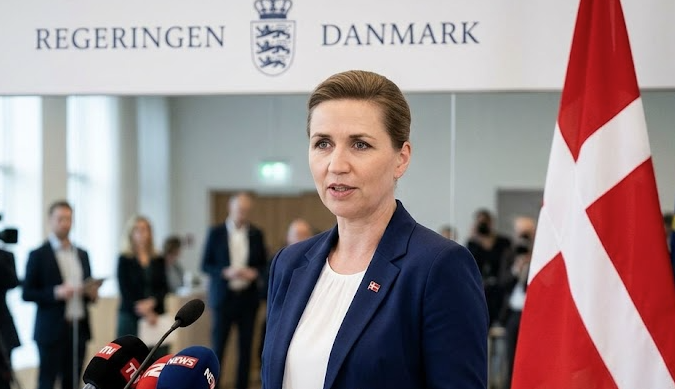
COPENHAGEN — Danish Prime Minister Mette Frederiksen has formally called on the European Union to consider suspending Spain from the Schengen free-movement zone. The demand follows an unprecedented single-day surge of tens of thousands of migrants crossing from Morocco into the Spanish North African enclave of Ceuta.
What Prime Minister Frederiksen Said
In a public statement addressing the escalating border situation, Frederiksen urged immediate European-level intervention, aligning Denmark with similar calls made by leaders in Italy, Finland, and the Czech Republic:
"It goes without saying that the EU must immediately take all necessary measures and consider all options, including a suspension of Schengen cooperation. Uncontrolled immigration poses a threat to Europe and to Denmark," Frederiksen stated.
Growing European Diplomatic Fallout
The scale of the arrivals in Ceuta has triggered a broader diplomatic confrontation within the European Union over external border enforcement and freedom of movement:
- Schengen Zone Scrutiny: Italy initially called for suspending Spain from the open-borders Schengen area, prompting pushback from Madrid. Denmark, Finland, and the Czech Republic have since backed the push to review or suspend Spain's participation in the passport-free zone.
- Stricter Border Checks: France announced it is tightening checks along its land border with Spain to prevent secondary migration into Central Europe.
- EU Response: European Commission President Ursula von der Leyen labeled the scenes in Ceuta "unacceptable," emphasizing that entry into the bloc must abide by EU rules.
Madrid's Response in Ceuta
In response to the diplomatic and humanitarian pressure, Spain's government has accelerated security deployments and border returns:
- Security Reinforcements: Madrid dispatched troops, divers, and additional police units to secure the coastline and assist local law enforcement.
- Voluntary Returns & Repatriations: Spanish Interior Ministry officials reported that thousands of individuals who crossed the border have voluntarily returned or been pushed back to Morocco.
